Easy Homemade Pesto: Why Fresh Is Best & How to Make It
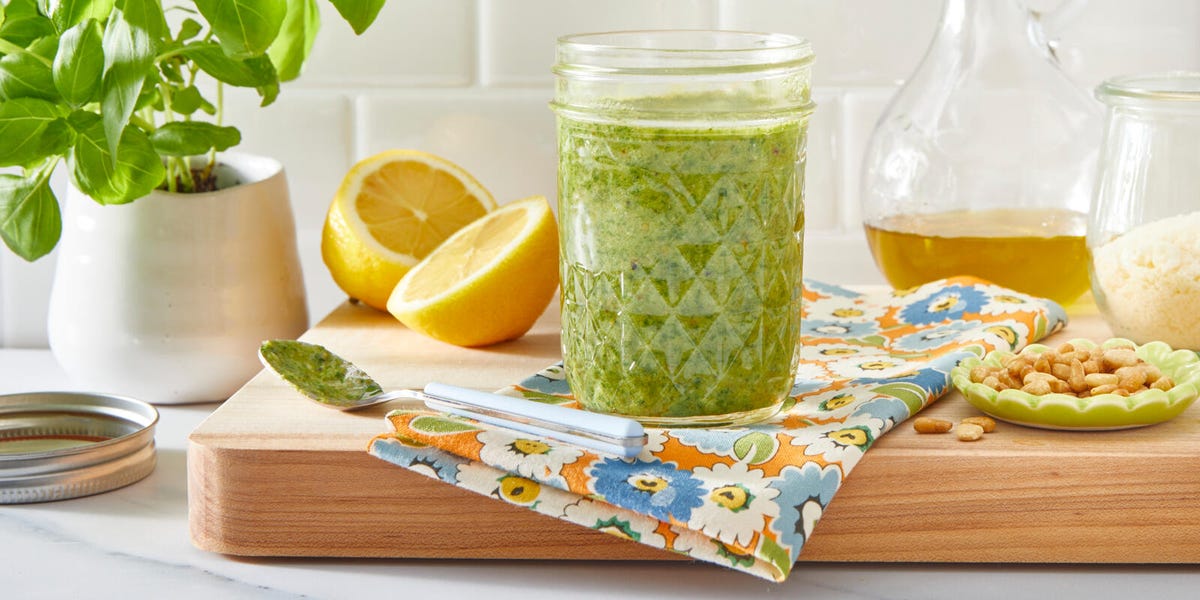
Imagine a vibrant green sauce, bursting with the fresh aroma of basil and garlic, coating your favorite pasta or elevating a simple sandwich. That's the magic of homemade pesto. While store-bought versions offer convenience, they often fall short in flavor, vibrancy, and nutritional value. Embarking on the journey of making pesto from scratch is not only surprisingly simple but also incredibly rewarding, transforming your culinary creations with an unparalleled freshness that truly sets it apart.
Why Homemade Pesto is a Game Changer for Your Kitchen
If you're accustomed to the muted flavors and sometimes gritty texture of pre-made pesto jars, get ready for a revelation. Making homemade pesto isn't just about cooking; it's about experiencing food at its freshest and most flavorful. Here’s why ditching the store-bought variety for your own concoction is an absolute must:
- Unmatched Freshness and Vibrancy: The most significant difference lies in the unparalleled freshness. Just-picked basil, pungent garlic, and quality olive oil combine to create a sauce that is bright, aromatic, and truly alive. Store-bought versions simply can't replicate this intensity of flavor.
- Control Over Ingredients: When you make pesto at home, you dictate every ingredient. This means choosing organic basil, high-quality extra virgin olive oil, and the best Parmesan cheese, ensuring a superior taste and avoiding any unwanted additives or preservatives often found in commercial products. You can also tailor it to dietary needs, such as reducing salt or making it dairy-free.
- Customizable Consistency: Do you prefer a thick, chunky pesto perfect for spreading, or a thinner, more pourable sauce for pasta? With homemade pesto, you're in control. Simply adjust the amount of olive oil until you achieve your desired consistency.
- Cost-Effective & Economical: Especially if you have a thriving basil plant in your garden or find basil on sale, making your own pesto can be significantly more budget-friendly than consistently buying premium store-bought brands. Plus, a small bag of pine nuts, while initially a bit pricey, will last for numerous batches.
- A Weeknight Lifesaver: Having a jar of fresh pesto in your fridge or freezer is like having a secret weapon for busy weeknights. A simple pasta dish transforms into a gourmet meal in minutes. It's the ultimate flavor booster that makes quick meals effortlessly delicious.
The Core Ingredients of Authentic Homemade Pesto
The beauty of traditional pesto Genovese lies in its simplicity, relying on a handful of high-quality ingredients that harmonize to create its distinctive flavor profile. Understanding each component is key to crafting the perfect batch of homemade pesto.
- Fresh Basil Leaves: This is the star of the show. Use fresh, vibrant basil, ideally from your garden or a local market. Its sweet, peppery, and slightly anise-like notes form the aromatic foundation of the sauce.
- Pine Nuts (Pignolias): Traditional pesto calls for pine nuts, which contribute a delicate, buttery flavor and a creamy texture when processed. While they can be a bit pricey, a little goes a long way.
- Garlic: Fresh garlic provides that essential pungent kick, balancing the richness of the oil and cheese. Adjust the amount to your preference – some love a strong garlic presence, others prefer it milder.
- Parmigiano-Reggiano Cheese: Authentic Parmesan cheese (or Grana Padano) adds a salty, savory umami depth that is irreplaceable. Its granular texture also contributes to the overall consistency.
- Extra Virgin Olive Oil: This isn't just a binder; it's a flavor enhancer. Use a good quality extra virgin olive oil with a fruity, slightly peppery flavor. It emulsifies with the other ingredients, creating a smooth, luxurious sauce.
- Salt and Freshly Ground Black Pepper: Essential for seasoning, they enhance all the other flavors and bring them into balance.
Beyond the Traditional: Creative Swaps and Variations
While the traditional recipe is divine, pesto is wonderfully forgiving and adaptable. Don't be afraid to experiment based on what you have on hand or your dietary preferences:
- Nut Alternatives: If pine nuts are out of budget or preference, walnuts, almonds (slivered), or even pistachios make excellent substitutes, each lending a slightly different flavor profile. Walnuts, for instance, offer a richer, earthier note.
- Green Power: Short on basil? Blend in peppery arugula for a spicier kick, mild baby spinach for a smoother texture, or even a bit of kale for an extra nutritional boost. You can also combine basil with other greens for a unique twist.
- Garlic Nuances: If raw garlic is too intense, try roasting it first for a milder, sweeter flavor. For those sensitive to garlic, you can reduce the amount or even omit it entirely.
- Brightening Agents: A squeeze of fresh lemon juice not only adds a bright, zesty counterpoint to the rich ingredients but can also help prevent the basil from oxidizing and turning brown, keeping your pesto vibrantly green.
- A Hint of Heat: For a subtle warmth, a pinch of red pepper flakes can add a delightful kick without overpowering the other flavors.
Crafting Your Perfect Homemade Pesto: A Step-by-Step Guide
Making homemade pesto is remarkably quick and easy, especially with the right equipment. A food processor is your best friend here, as it processes the ingredients efficiently, resulting in a perfectly textured sauce. While blenders can work, a food processor typically yields a better, less liquified consistency.
- Prep Your Aromatics and Nuts: Begin by placing your pine nuts (or chosen alternative nuts) and garlic cloves into the bowl of your food processor fitted with a steel blade. Process for about 30 seconds until finely chopped. This ensures they are well broken down before the greens are added.
- Introduce the Basil: Add the fresh basil leaves, along with a pinch of salt and a grind of fresh black pepper, to the food processor. Pulse a few times to start breaking down the basil.
- Slowly Stream in the Olive Oil: With the food processor running on a low setting, slowly and steadily pour the extra virgin olive oil through the feed tube. This slow addition is crucial for creating a smooth emulsion, preventing the pesto from becoming oily and ensuring a creamy texture. Continue processing until the mixture is finely pureed and has a thick, luscious consistency.
- Finish with Parmesan: Finally, add the grated Parmesan cheese to the processor. Puree for another minute or so until the cheese is fully incorporated and the pesto reaches your desired smoothness.
Chef's Tip: For a thinner pesto, simply add a bit more olive oil until your desired consistency is reached. Taste and adjust seasoning as needed – you might want a little more salt or pepper. For more detailed instructions and expert advice, check out our guide on Master Homemade Pesto: Essential Tips, Swaps & Freezing Guide.
Maximizing Your Homemade Pesto: Storage & Culinary Versatility
Once you've whipped up a batch of glorious homemade pesto, you'll want to ensure it stays fresh and ready to use. Its versatility is truly one of its greatest assets, making it an indispensable component in countless dishes.
Smart Storage Solutions
Proper storage is key to enjoying your fresh pesto for longer:
- Refrigeration: Transfer your pesto to an airtight container. To prevent oxidation (which turns the basil brown), pour a thin layer of olive oil over the surface of the pesto before sealing. It will keep beautifully in the refrigerator for up to a week.
- Freezing for Longevity: Pesto freezes exceptionally well, allowing you to enjoy summer's bounty all year long. The easiest method is to spoon the pesto into the wells of an ice cube tray. Once frozen solid, transfer the pesto cubes to a freezer-safe bag or container. This creates perfectly portioned servings that can be easily thawed for individual meals. Frozen pesto can last for up to three months.
Endless Culinary Possibilities
Pesto isn't just for pasta! Its fresh, garlicky, cheesy flavor profile makes it an incredible enhancer for a vast array of dishes. Here are just a few ideas to get you started:
- Classic Pasta Perfection: The most iconic use! Toss freshly cooked pasta with a generous dollop of pesto, perhaps a splash of pasta water, and extra Parmesan.
- Elevate Everyday Meals: Spread it on sandwiches or wraps instead of mayonnaise. Drizzle it over fried eggs, scrambled eggs, or avocado toast for a gourmet breakfast.
- Marinades and Rubs: Use pesto as a vibrant marinade for chicken, fish, or pork before grilling or roasting. You can also mix it into a compound butter to melt over steak or corn on the cob.
- Pizza and Flatbreads: Replace traditional tomato sauce with a layer of pesto for a fresh, herbaceous pizza base, or simply dollop it onto a flatbread with some mozzarella.
- Soups and Stews: Stir a spoonful into a vegetable soup, minestrone, or even a creamy tomato soup for an instant flavor boost just before serving.
- Dressings and Dips: Whisk pesto with a little extra olive oil and vinegar for a quick salad dressing. Blend it into hummus for a zesty dip, or mix it with Greek yogurt for a creamy, herbaceous spread.
- Roasted Vegetables: Toss roasted vegetables like potatoes, zucchini, or bell peppers with pesto after they come out of the oven for an explosion of flavor.
For even more innovative ways to use your flavorful creation, explore our article on Unlock Flavor: Simple Ingredients & Creative Uses for Homemade Pesto.
Making homemade pesto is a simple pleasure that yields incredible culinary rewards. The difference in taste, freshness, and control over ingredients is truly transformative, making it a staple you'll wonder how you ever lived without. So, gather your basil, fire up that food processor, and prepare to embark on a delicious journey that will undoubtedly change your perception of this beloved green sauce. Your taste buds will thank you!
