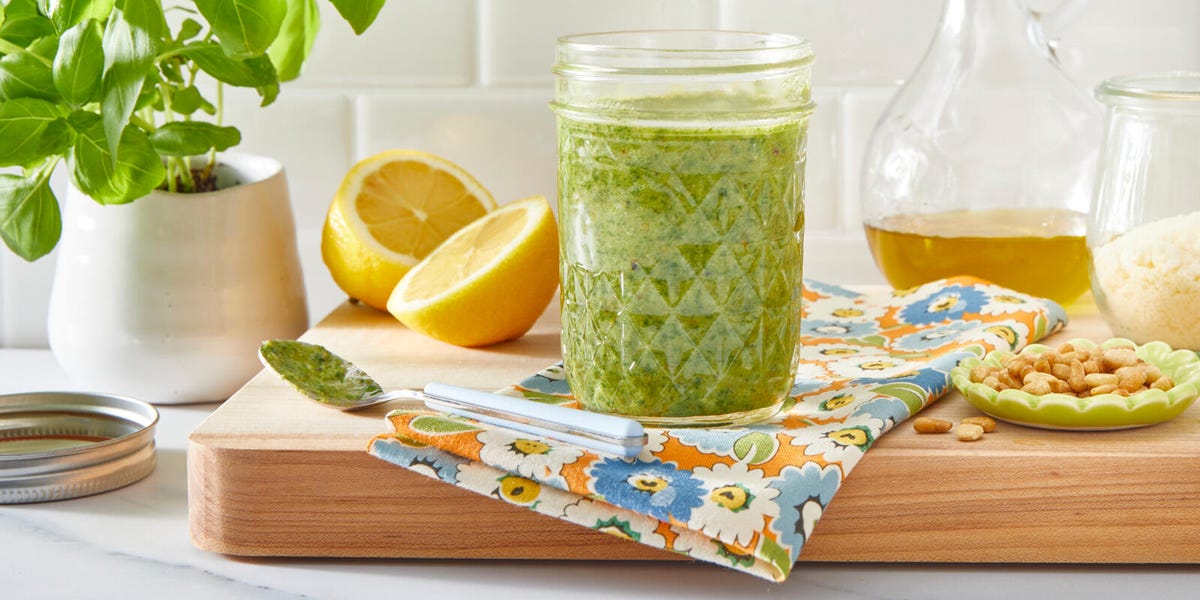
The Magic Behind Homemade Pesto: Why Fresh is Best
Step aside, store-bought jars! While convenient, they simply can't compare to the vibrant, fresh explosion of flavor that defines truly exceptional homemade pesto. This verdant Italian sauce, a staple in kitchens worldwide, transforms simple ingredients into a culinary masterpiece. If you've ever felt a pang of disappointment with the muted taste of a supermarket pesto, prepare for a revelation. Crafting your own isn't just easy; it's a game-changer for your everyday cooking, promising a freshness and depth that will redefine your perception of this beloved condiment.
The beauty of homemade pesto lies in its unparalleled vibrancy. When you use fresh basil, high-quality olive oil, and aromatic garlic, the difference is immediate and profound. Unlike mass-produced versions, which often contain preservatives and lack the intensity of freshly processed ingredients, your kitchen-made batch delivers an authentic, bright, and herbaceous kick. Furthermore, making it yourself puts you in complete control. You dictate the consistency – whether you prefer a thick, chunky spread or a smoother, more pourable sauce – simply by adjusting the amount of olive oil. This level of customization is impossible to achieve with pre-made options.
Beyond taste, having a jar of freshly made pesto in your refrigerator is an absolute lifesaver for busy weeknights. Picture this: a long day, minimal energy, but a craving for something delicious. With homemade pesto on hand, a satisfying meal is just minutes away. Boil some pasta, toss it with a generous dollop of your green gold, sprinkle with Parmesan, and dinner is served. It's a testament to the power of simple ingredients and smart preparation. To dive deeper into the basics, check out our guide on Easy Homemade Pesto: Why Fresh Is Best & How to Make It.
A quick tip on technique: while blenders can work in a pinch, a food processor is truly the MVP for achieving the ideal pesto consistency. Its wider bowl and S-blade gently coaxes the ingredients into a finely pureed yet slightly textured sauce, preserving the basil's bright green color and delicate flavor. A blender, with its high-speed blades, can sometimes over-aerate the mixture, leading to a less desirable texture and even a slightly oxidized, darker color.
Unpacking the Essentials: Core Ingredients for Perfect Homemade Pesto
At its heart, traditional Genovese pesto relies on a handful of humble yet potent ingredients, each playing a crucial role in creating that iconic flavor profile. Understanding these building blocks is the first step to mastering your own batch of homemade pesto.
- Fresh Basil Leaves: The undisputed star. Choose vibrant, unblemished leaves that are deeply green and aromatic. The quality of your basil will dictate the soul of your pesto. For best results, wash and thoroughly dry your basil before processing to prevent excess water from diluting the flavor.
- Pine Nuts (Pignolis): These small, buttery nuts provide a delicate creaminess and a subtle, distinctive flavor that traditionalists swear by. Lightly toasting them before adding can enhance their nuttiness, though it's not strictly necessary.
- Garlic: A foundational aromatic. Raw garlic cloves bring a pungent, spicy kick that balances the richness of the oil and cheese. Typically, one or two cloves are sufficient, but adjust to your personal preference for a milder or bolder garlic presence.
- Parmesan Cheese: Specifically Parmigiano-Reggiano, freshly grated, adds a salty, umami depth and a beautiful granular texture. Avoid pre-grated varieties, which often contain anti-caking agents and lack the nuanced flavor of a good quality block.
- Extra Virgin Olive Oil: The binding agent that emulsifies everything into a smooth sauce. Use a good quality extra virgin olive oil for its fruity, peppery notes, which contribute significantly to the overall flavor. Adding it slowly is key for proper emulsification and a creamy texture.
- Salt and Freshly Ground Black Pepper: Essential for seasoning, bringing all the flavors into harmony. Taste as you go and adjust to perfection.
The process itself is surprisingly straightforward. Start by pulsing the pine nuts and garlic in your food processor for about 30 seconds until finely chopped. This ensures they are well broken down before the softer basil is introduced. Next, add the basil leaves, salt, and pepper, pulsing briefly to combine. With the processor running, slowly drizzle in the olive oil through the feed tube. This gradual addition is critical for creating a smooth, emulsified sauce. Finally, add the Parmesan cheese and process for another minute until the pesto reaches your desired consistency. The magic happens quickly, transforming simple ingredients into a luxurious sauce.
Beyond Tradition: Creative Swaps and Flavor Twists
While the classic recipe is divine, homemade pesto is incredibly forgiving and adaptable. Don't be afraid to experiment and customize it to your pantry, preferences, or dietary needs. These creative swaps can open up a whole new world of pesto possibilities:
- Nut Alternatives: Pine nuts can be pricey. Budget-friendly and equally delicious alternatives include walnuts (offering an earthy depth), slivered almonds (mild and creamy), or even pistachios (for a slightly sweeter, vibrant green hue).
- Green Goddess: Short on basil? Or simply craving a different flavor? Blend in peppery arugula for a zesty kick, baby spinach for a milder, earthier note, or even kale for added nutrition. A mix of basil and another green can also be fantastic!
- Garlic Garnish: If raw garlic is too intense for your palate, try using roasted garlic for a sweeter, mellower flavor profile. For a truly gentle touch, you can even omit it entirely, though it will change the character of the sauce.
- The Brightener: A squeeze of fresh lemon juice not only adds a wonderful zesty brightness to your homemade pesto but also helps prevent the basil from oxidizing and turning brown, keeping your sauce beautifully green.
- Heat Seekers: For those who appreciate a little warmth, a pinch of red pepper flakes pulsed into the mixture offers a subtle but pleasant kick, without overpowering the other flavors.
Unlock Endless Culinary Possibilities: Creative Uses for Your Homemade Pesto
The versatility of homemade pesto is one of its greatest assets. Beyond its iconic pairing with pasta, this vibrant sauce can elevate an astonishing array of dishes, transforming everyday meals into something special with minimal effort.
- Pasta Perfection: The most classic use! Toss freshly cooked pasta (warm, not boiling hot) with a generous spoonful of pesto. The residual heat of the pasta helps the pesto's flavors bloom.
- Sandwich & Wrap Superstar: Spread pesto generously on bread, wraps, or flatbreads instead of mayonnaise or mustard for an instant flavor upgrade. It's particularly delicious with chicken, mozzarella, or roasted vegetables.
- Pizza Power-Up: Use pesto as a base sauce for homemade pizza, or simply drizzle it over your favorite pizza recipes after baking for a fresh, herbaceous finish.
- Egg-cellent Addition: A spoonful drizzled over fried, scrambled, or poached eggs adds an unexpected burst of savory, garlicky flavor that will revolutionize your breakfast.
- Marinade Marvel: Smear pesto on chicken, fish (especially salmon or cod), or pork before grilling, roasting, or pan-frying. It tenderizes and infuses the protein with incredible taste.
- Soup & Stew Enhancer: Stir a dollop of pesto into hot vegetable soups, minestrone, or even creamy potato soup just before serving for an extra layer of complexity and freshness.
- Dip Dynamo: Swirl pesto into hummus for a new twist, mix it with Greek yogurt or sour cream for a quick veggie dip, or serve it alongside crusty bread as a standalone appetizer.
- Roasted Vegetable Revelation: Toss roasted vegetables like potatoes, zucchini, or bell peppers with pesto after they come out of the oven for a final flourish of flavor.
- Salad Dressing Upgrade: Whisk pesto with a little extra olive oil, lemon juice, or vinegar to create a vibrant, flavorful dressing for green salads or grain bowls. It's also fantastic stirred into a Greek pasta salad.
- Quiche & Frittata Filler: Incorporate pesto into your quiche or frittata filling for a burst of herbaceous, cheesy goodness.
Smart Storage Solutions: Preserving Your Homemade Pesto
One of the best things about making a big batch of homemade pesto is the ability to store it for future use, ensuring you always have that flavor booster at your fingertips. Proper storage is key to maintaining its vibrant color and fresh taste.
For short-term storage, transfer your pesto into an airtight container or a clean jar. The most important step here is to create a barrier against oxidation: pour a thin layer of extra virgin olive oil over the surface of the pesto. This prevents air from reaching the basil, which is what causes it to turn brown. Stored this way in the refrigerator, your homemade pesto will remain fresh and delicious for up to a week.
For longer-term preservation, freezing is your best friend. Pesto freezes beautifully for up to three months without significant loss of flavor or quality. The most convenient method is to spoon the pesto into the wells of an ice cube tray. Once frozen solid (this usually takes a few hours), pop out the pesto cubes and transfer them to a freezer-safe bag or container. This allows you to thaw small, single-serving portions as needed, preventing waste and making meal prep incredibly efficient. Just pull out a cube, let it thaw at room temperature for a bit, or gently warm it with your pasta. For more detailed tips on getting the most out of your homemade creations, refer to our comprehensive guide: Master Homemade Pesto: Essential Tips, Swaps & Freezing Guide.
Conclusion
From its simple ingredients to its astonishing versatility, homemade pesto is more than just a sauce – it's a testament to the power of fresh flavors and mindful cooking. Bidding farewell to bland, store-bought jars and embracing the vibrant, customizable world of homemade pesto is an investment in richer, more satisfying meals. Whether you stick to the traditional basil and pine nut recipe or venture into creative swaps with arugula, walnuts, or a touch of lemon, the process is rewarding and the culinary possibilities are truly endless. So, fire up your food processor, gather your fresh ingredients, and unlock a world of flavor that will elevate your dishes and delight your palate. Your kitchen, and your taste buds, will thank you.
